Developing the whole person
Balance matters .
Character counts .
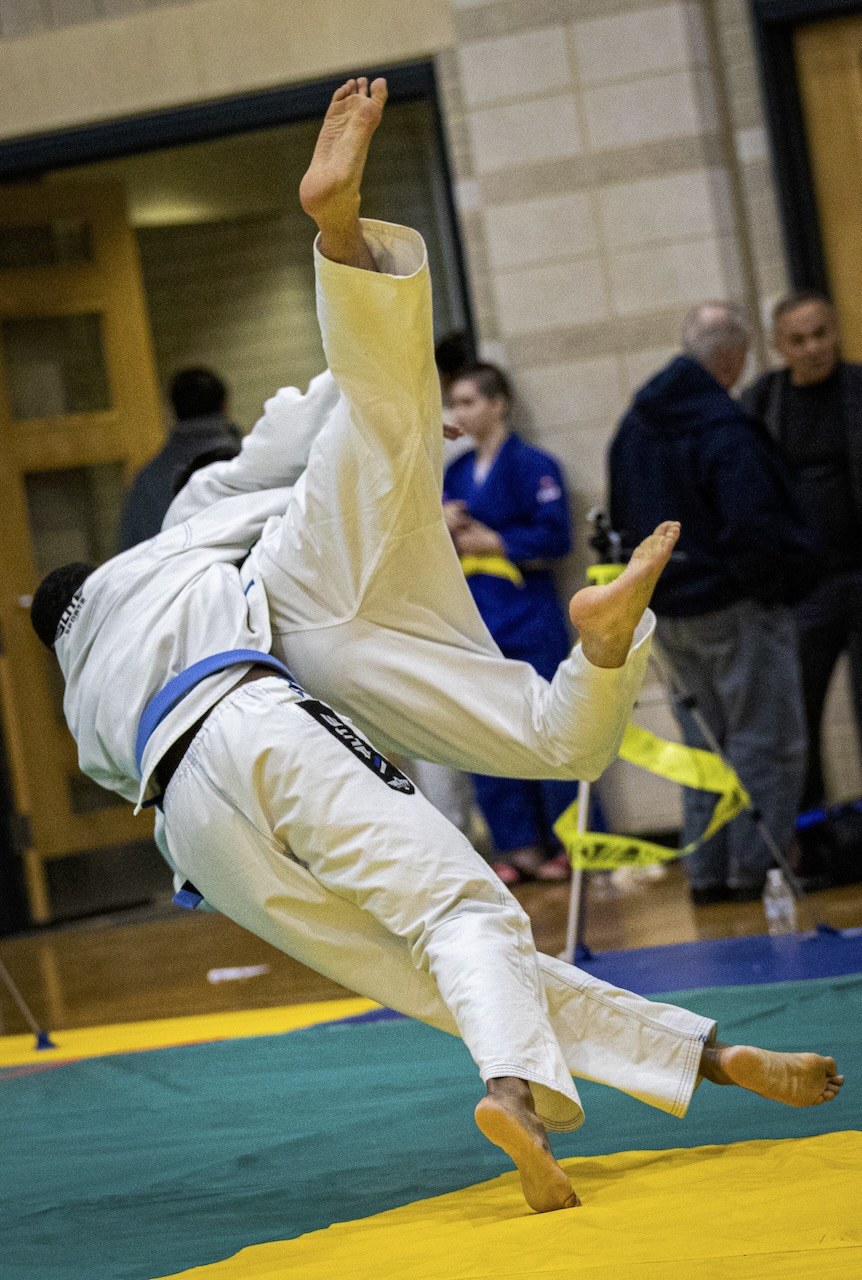
You can be an olympic champion and still an awful person--unbalanced because your skills are strong and your emotions weak. True martial arts require good character.
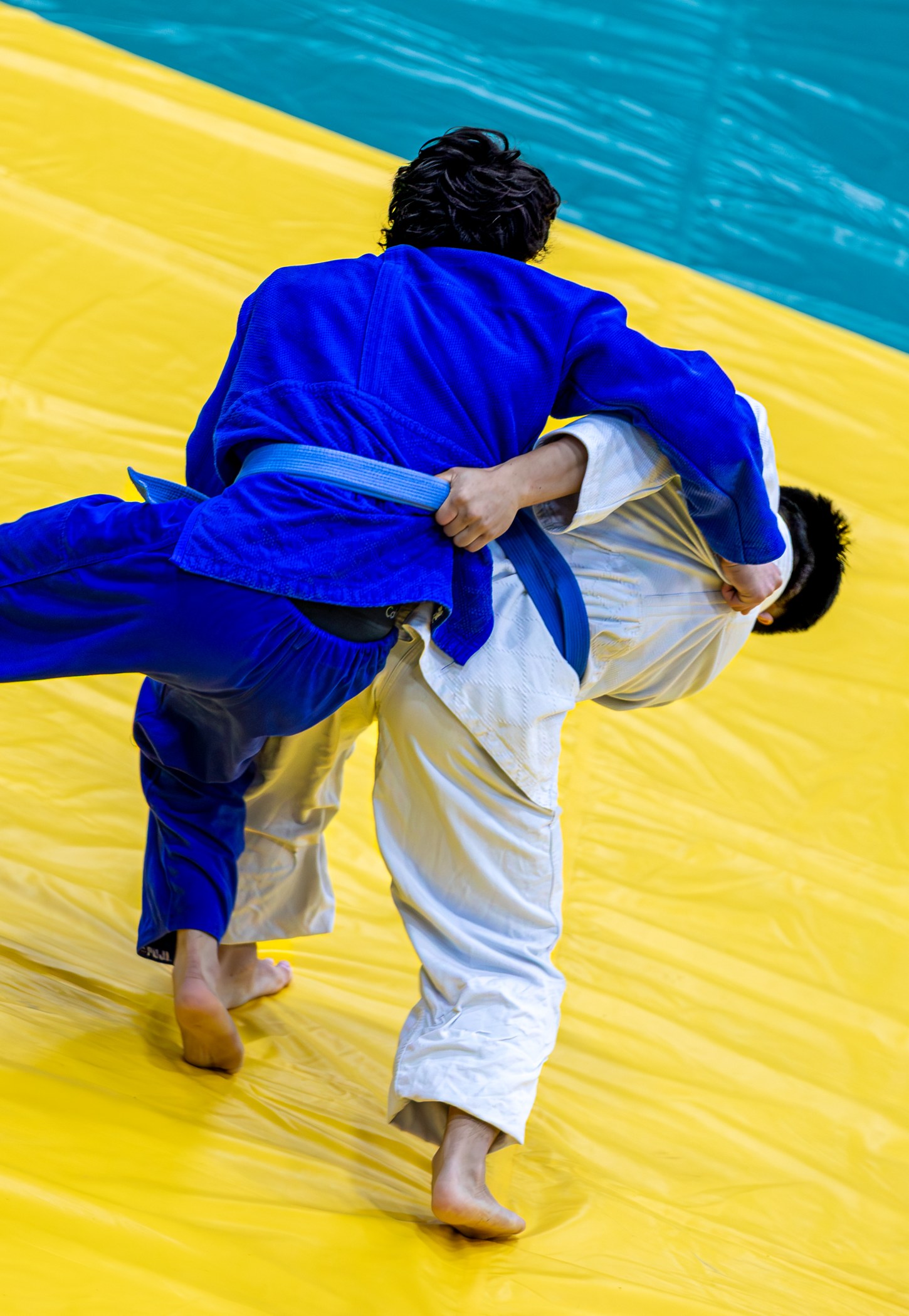
Presence
Stand tall.
Stay adaptable.
Posture is a practical lesson in confidence. An upright body, a balanced center, and relaxed readiness allow you to move and adapt quickly on the mat and in life.
The same intention can shape how you enter a room, the depth of your voice and how you listen to another person. Great posture allows you to take responsibility for being wrong in a debate without losing your balance.
Self-command
Choosing
not to escalate.
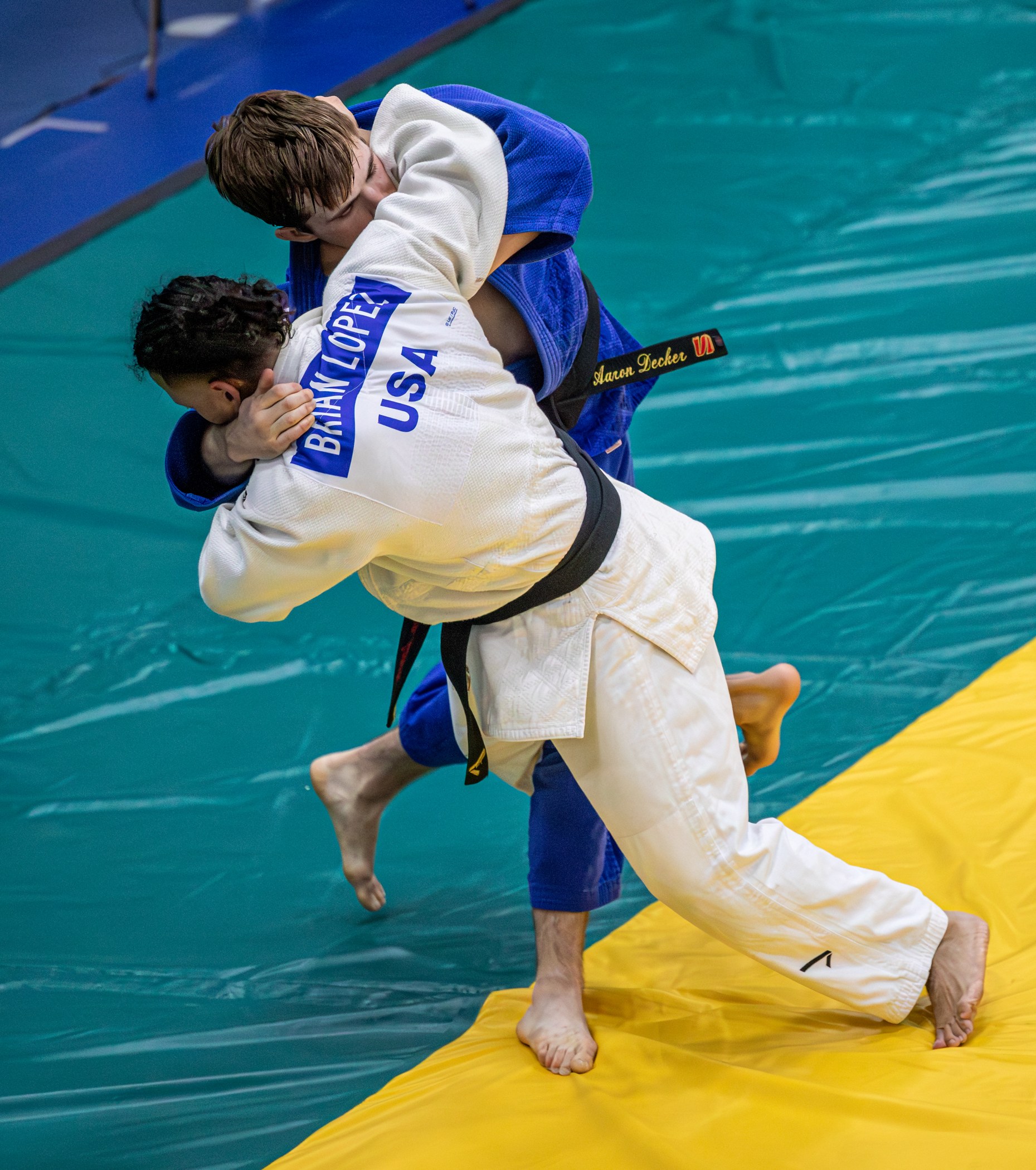
When someone applies force, the impulse is often to tense up or react immediately. This puts you in their command.
The aim is the freedom to choose your response and the ground you choose to fight upon. Strength includes the judgment to pause, disengage, or decline a needless contest. A wise general doesn't chase skirmishers. He fights where he want, when he wants and when it is best to give him victory.
Patience
Give progress
time to take hold.
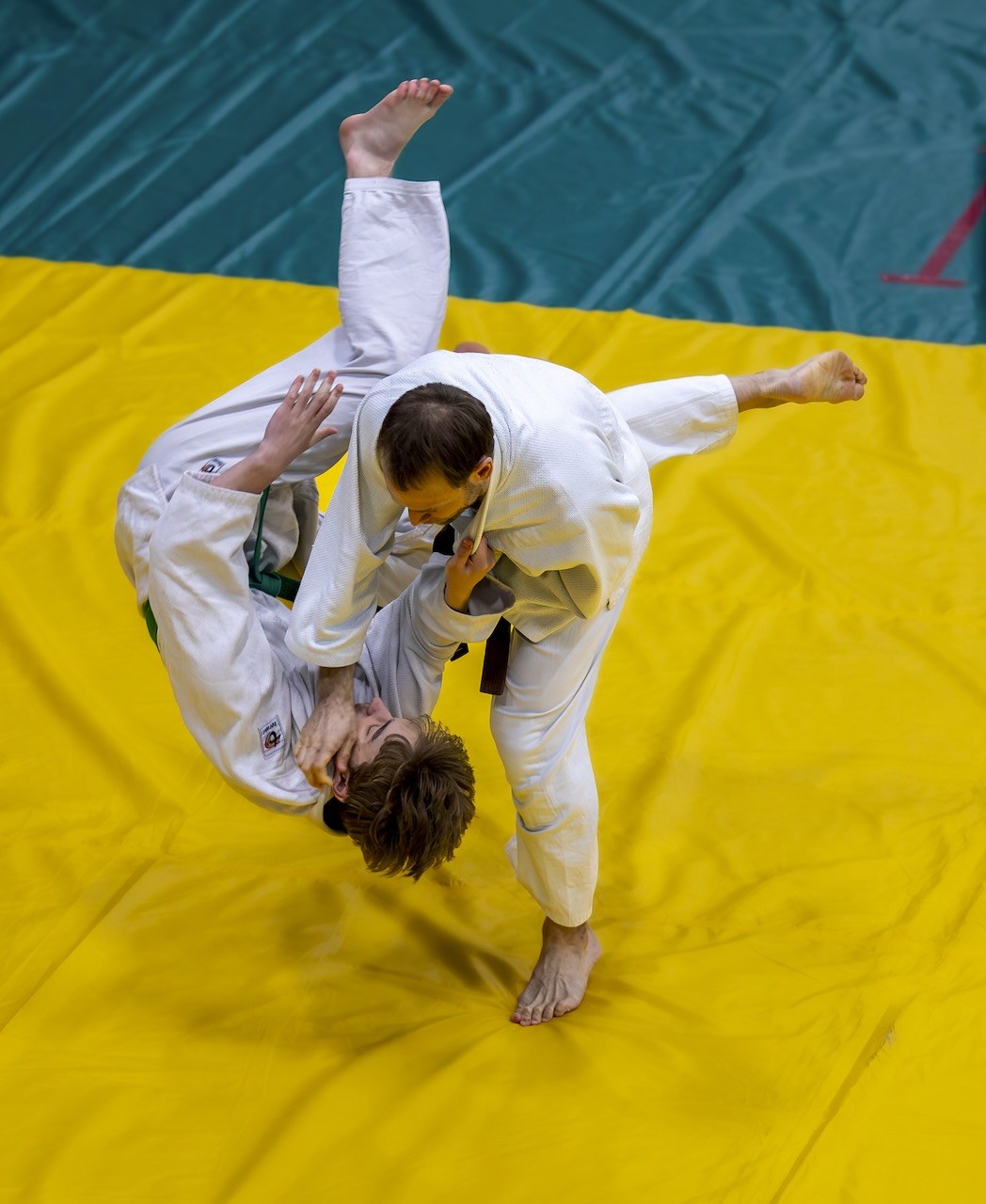
Practice asks you to return to what is difficult. Notice a detail. Accept feedback. Try again without demanding an immediate result.
Patience is active: learned through disciplined, consistent effort, thoughtful correction, and respect for the learning process. Good judoka are continuous learners.
Impatience is often the sign of either a scared or angry person. Both of those emotions are diseases of the mind along with surprise, confusion and pride.
Triarii teaches you how to master yourSELF by Engaging the Mind, Breaking the Body and Building the Spirit.
Perspective
Learn from
more than one view.
A small change in attention can reveal what effort alone could not. Be willing to reconsider, ask questions, and learn from your partner.
Begin with a conversation